A multidisciplinary institute with scientific depth and regional purpose.
Learn about TRDC's mission, governance, scientific community, facilities, and strategic partnerships.
Who We Are
Triangle R&D Center is a regional research and development center based in Kafr Qara, serving the Triangle region for nearly two decades. The center promotes applied research, innovation, scientific education, and community-oriented initiatives to deliver practical social, economic, and environmental impact. The center operates with support from the Ministry of Innovation, Science and Technology, in cooperation with local authorities across the region, and under the academic sponsorship of Tel Aviv University. TRDC connects researchers, academic institutions, industry, municipalities, and community stakeholders to advance applied research that responds to regional priorities. Research activity spans alternative energy, biochemistry and genetics, chemistry and pharmaceutics, environment and runoff management, public health, computer science, microbiology, and optical engineering. Alongside research, TRDC supports science education, local industry collaboration, and professional services for municipalities and community organizations. TRDC's vision is to create a genuine bridge between science, innovation, and community, and to transform scientific knowledge into applied work with strong regional and social value.
Mission & Vision
TRDC's mission is to connect applicable research with regional needs through science, technology transfer, and community-oriented programs. Its vision is to create a durable bridge between research excellence, innovation pathways, and measurable social impact in the Triangle region.
Leadership & Governance
TRDC is guided by a managing board chaired by Prof. Abdussalam Azem, with day-to-day leadership under CEO Dr. Khaled Matar, supported by scientific, financial, legal, and innovation advisors across the center's research areas and committees.
TRDC
Triangle R&D Center — Zahrawy Society
- Address: Kafr Qara, P.O. Box 86167, 30075
- Phone: +972-4-6356168
- Fax: +972-4-6357011
- Website: trdc-center.org
Managing Board
Chair
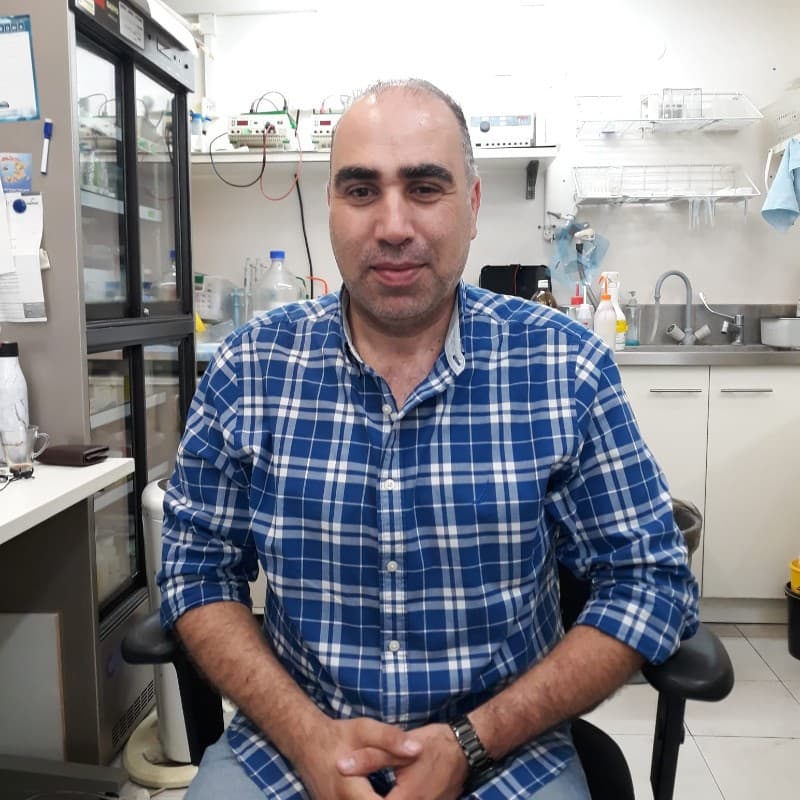
Prof. Abdussalam Azem
Board Chair
Center CEO
Executive leadership
Research areas
Exact Sciences
Basic and applied research in physics, chemistry, and mathematics.
Head of domain
Dr. Hani Barhum
Biochemistry & Microbiology
Research on biochemical and microbiological mechanisms and their health and environmental applications.
Head of domain
—
Hereditary Diseases & Genetics
Research in molecular genetics, treatment development, and personalized medicine.
Head of domain
—
Agriculture & Agrotechnology
Agricultural innovation, crop improvement, food security, and climate-change adaptation.
Head of domain
—
Solar & Renewable Energy
R&D of solar technologies and clean, efficient energy solutions.
Head of domain
—
Environmental Sciences & Sustainability
Research in environmental quality, resource management, and clean energy.
Head of domain
—
Artificial Intelligence & Computer Science
Development of algorithms, machine learning, and data analysis across application domains.
Head of domain
—
Social Sciences
Research in society, education, community, and public policy.
Head of domain
—
Innovation, Entrepreneurship & Tech Transfer
Promoting innovation and entrepreneurship, and implementing technological solutions.
Head of domain
—
Committees
Center vision
Leading research, innovation, and impact to strengthen the community and region for a better future.
Scientific Committee
Scientific oversight is supported by senior domain leaders across biochemistry, microbiology, physics, chemistry, AI, public health, and environmental sciences, with active LNMI integration and periodic review through institutional reporting cycles.
Team / Researchers
Core researchers include Dr. Hani Barhum, Dr. Ibrahim Yehia, Dr. Rajech Sharkia, Dr. Medhat Matar, Dr. Nabih Bashir, Dr. Jallal Gnaim, and Dr. Muhammad Iraqi, alongside the extended LNMI roster.
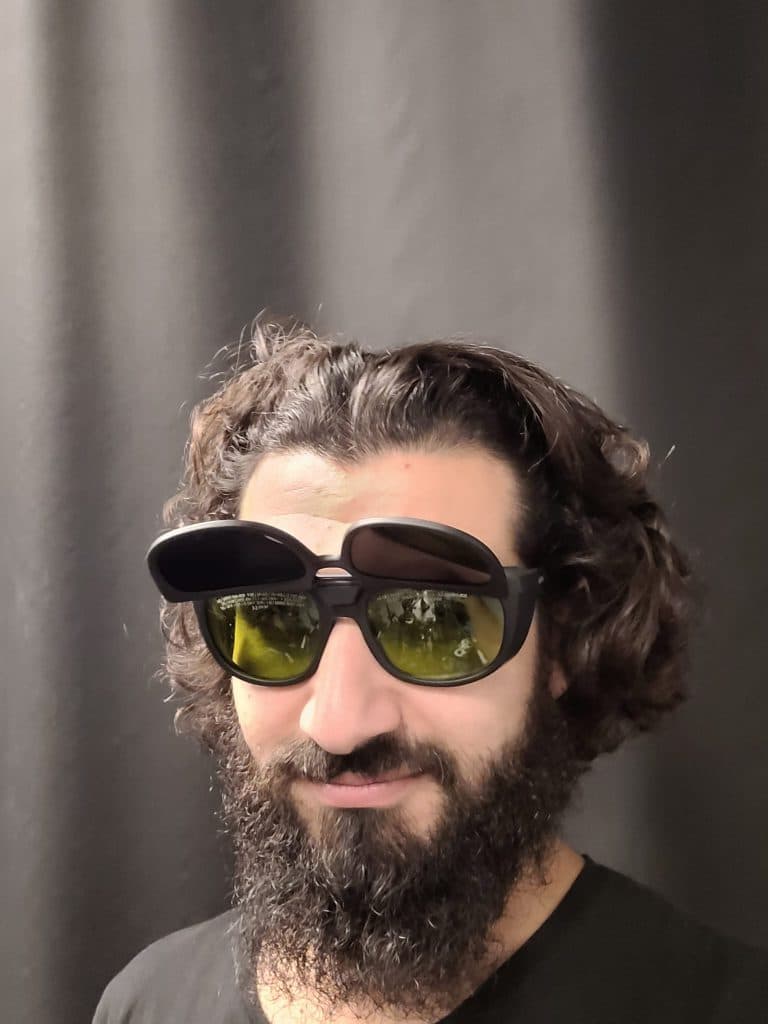
Dr. Hani Barhum
LNMI Team Leader; Material Physics
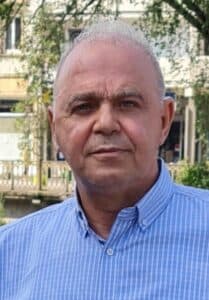
Dr. Ibrahim Yehia
Physics; TriSolar Founder
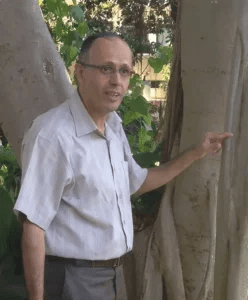
Dr. Rajech Sharkia
Biochemistry / Neurodevelopmental Disorders
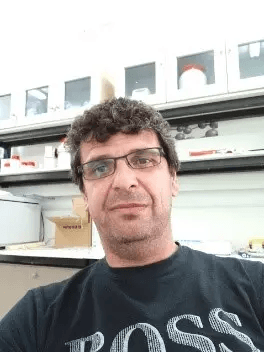
Dr. Medhat Matar
Chemistry
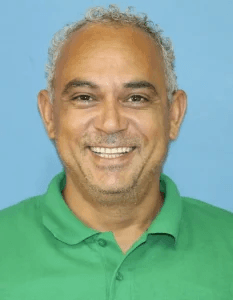
Dr. Nabih Bashir
Social Sciences
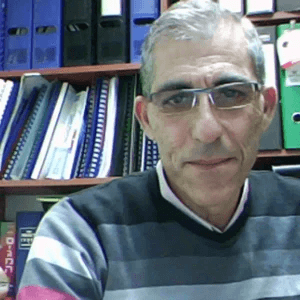
Dr. Jallal Gnaim
Molecular Encapsulation Applications
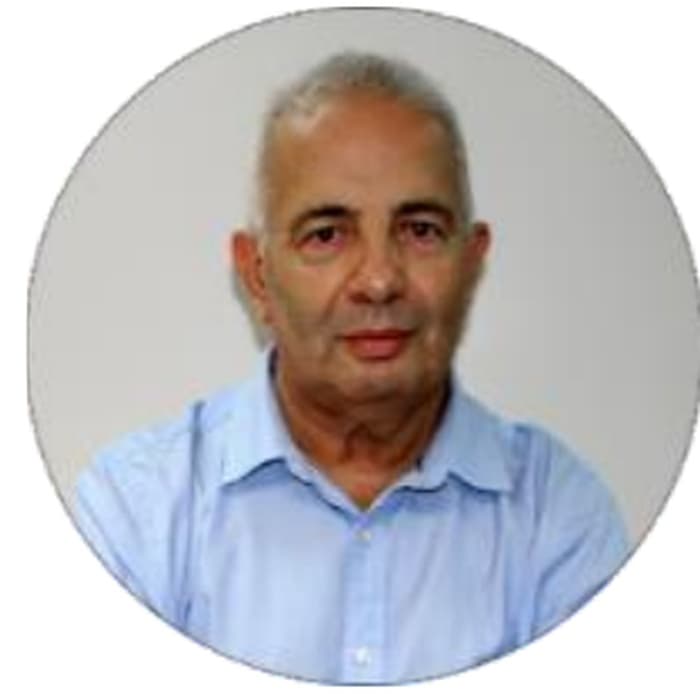
Dr. Muhammad Iraqi
Co-Founder, Fabricomm IoT Ltd.
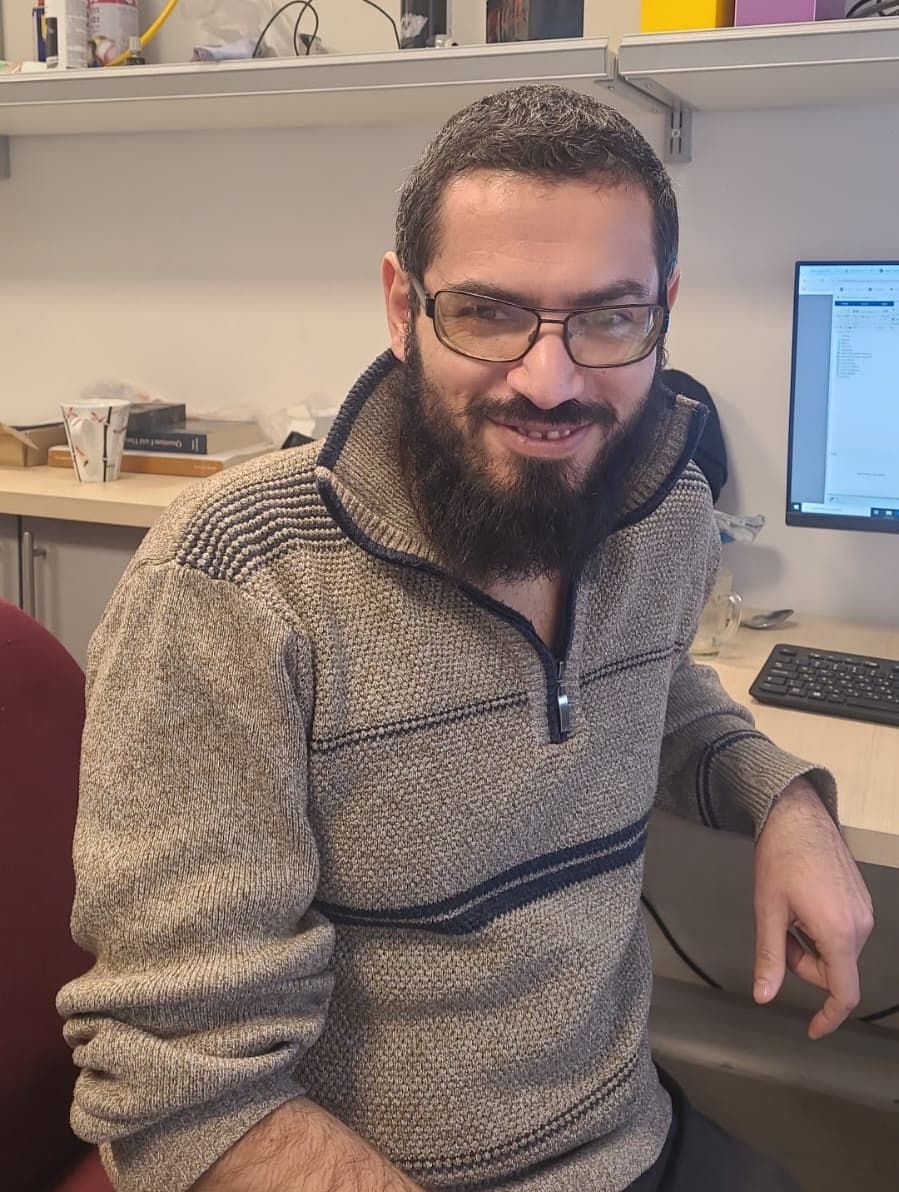
Dr. Mohammad Attrash
Experimental and theoretical physics
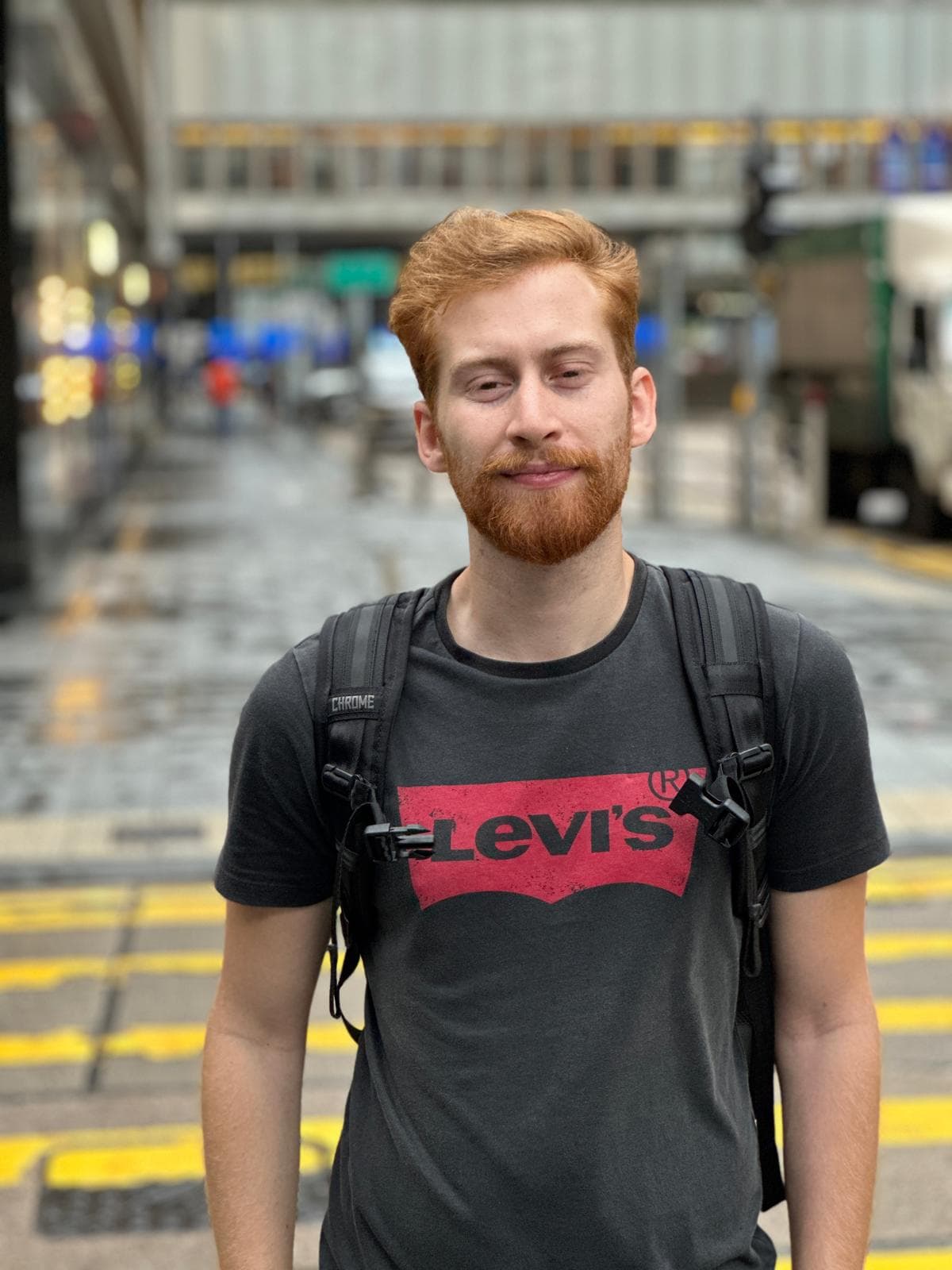
Ali Droby
Collaborator; PhD student, Physics (CUNY)
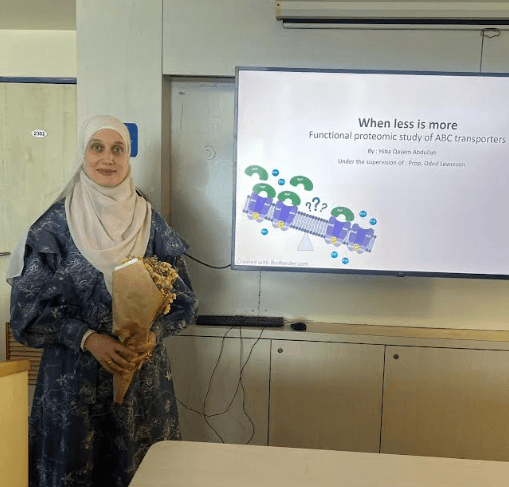
Dr. Heba Qasem
Postdoctoral Researcher
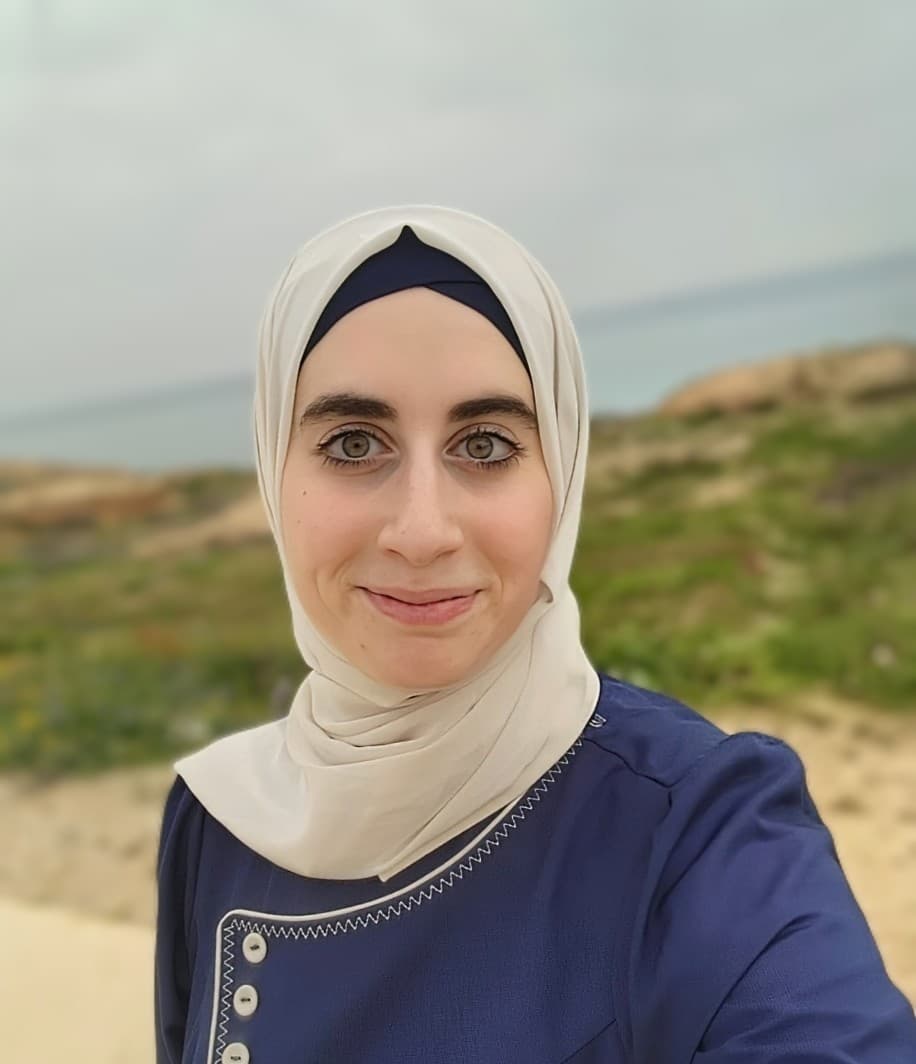
Tamara Amro
Collaborator; PhD student, Quantum Physics (Hebrew University)

Shada Sayed Ahmad
Research Assistant; Chemistry
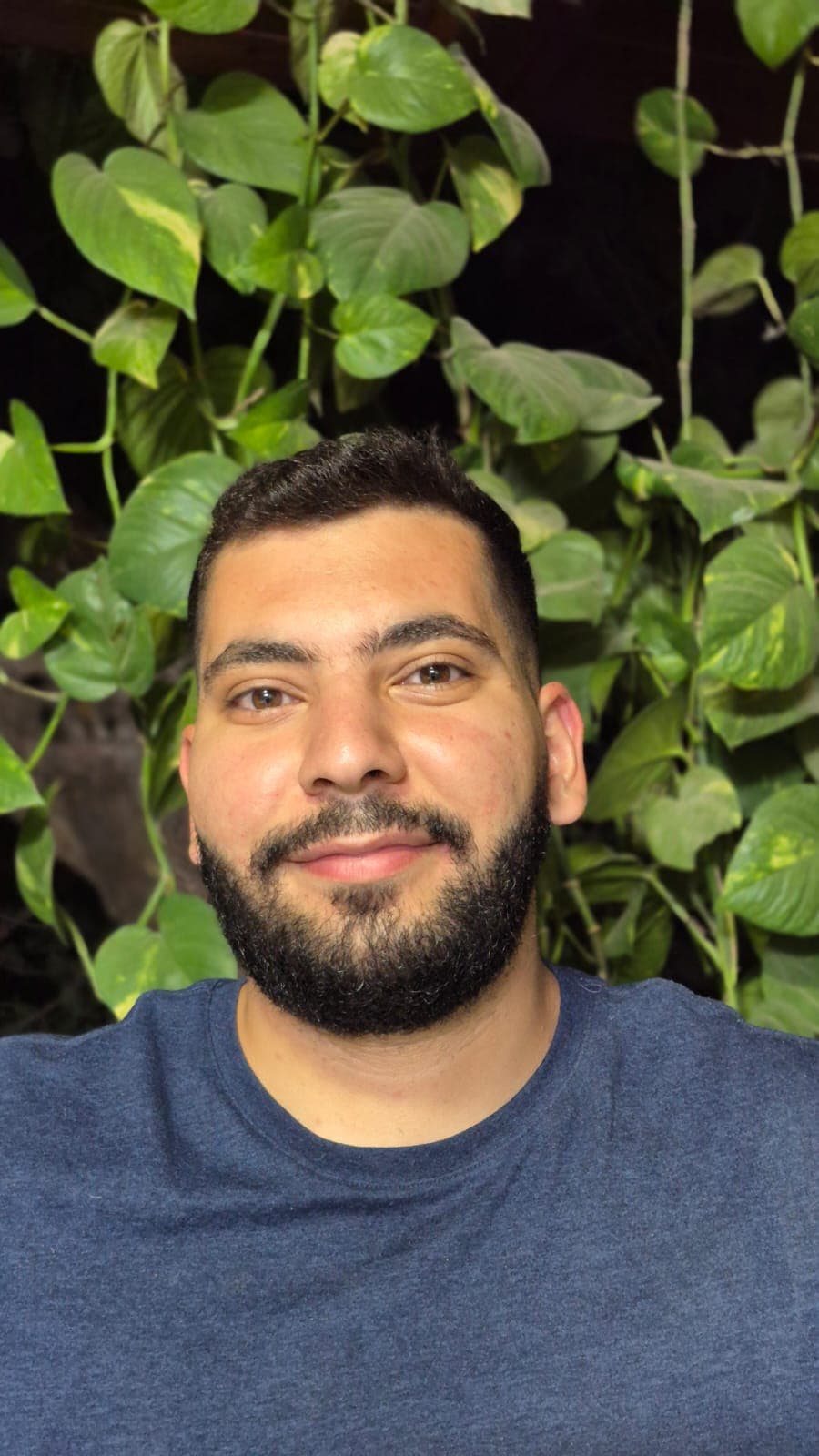
Raslan Alush
MSc student, Electrical Engineering (TAU)
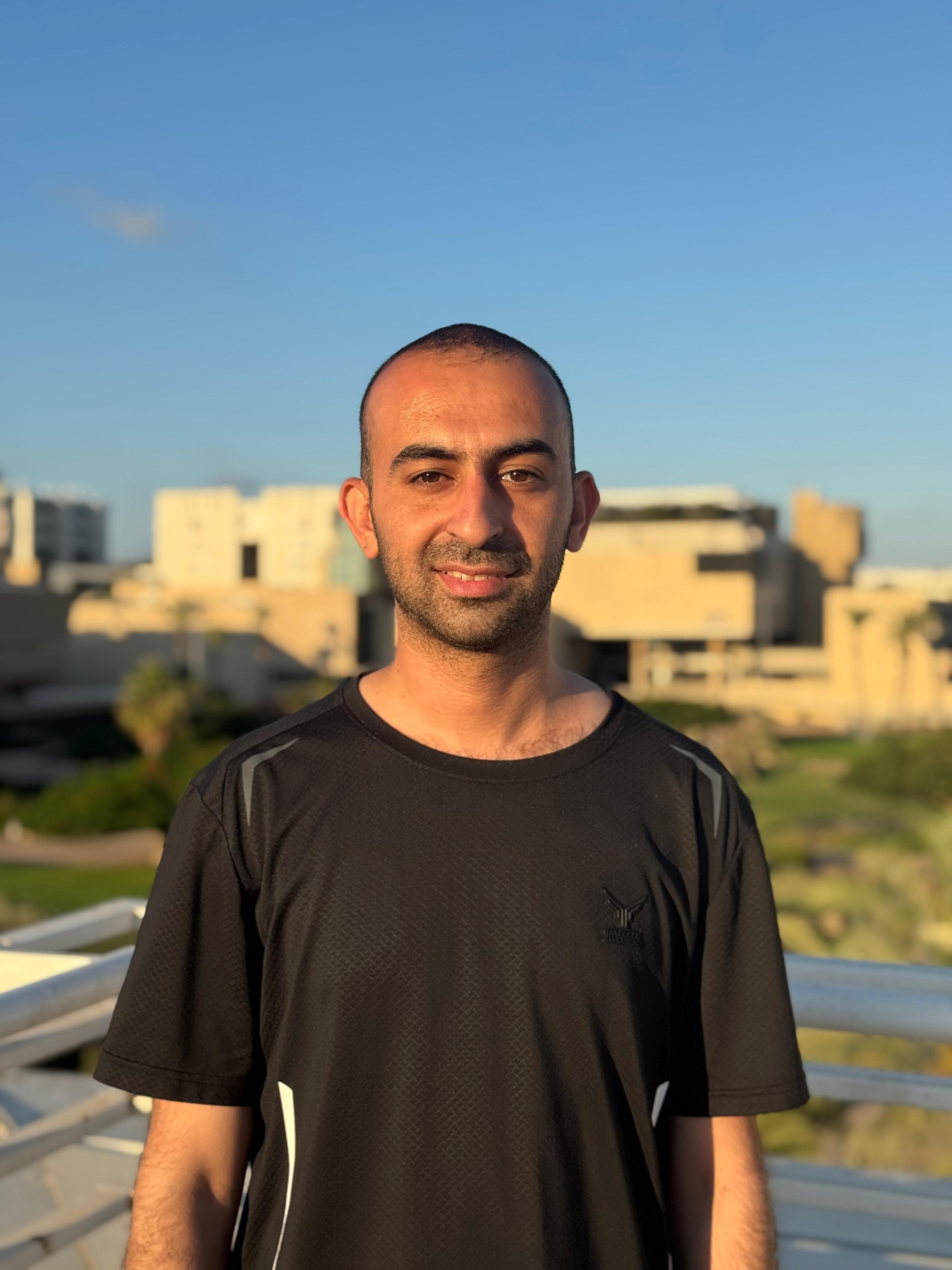
Majed Fadaos
MSc student, Electrical Engineering (TAU)
Jad Shbita
Mechanical Engineer (Technion)
Ahmad Melhem
Lab Engineer
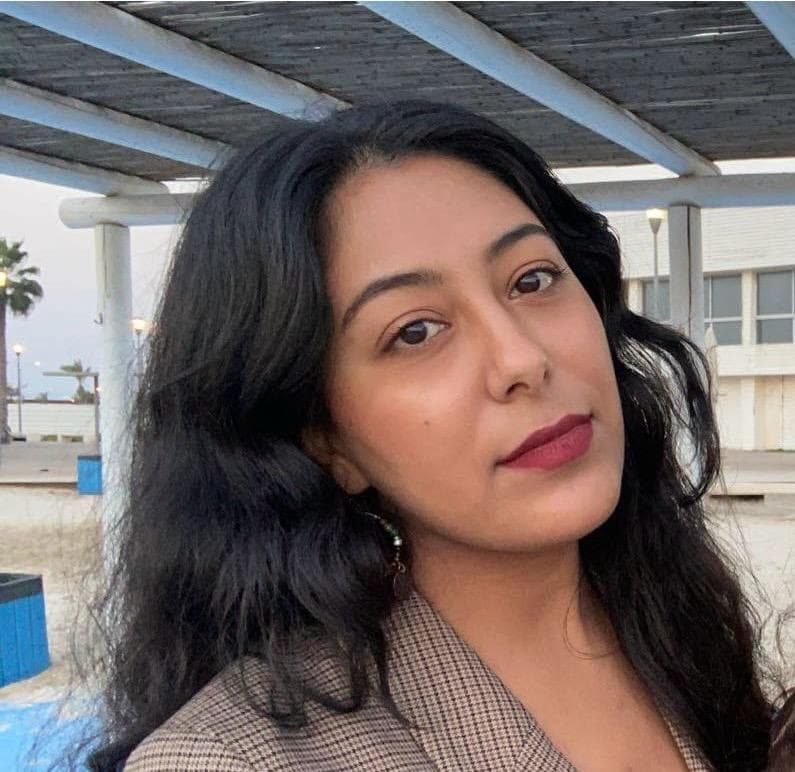
Suhad Hussien
MSc student, Biology (TAU)
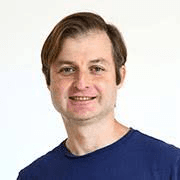
Prof. Pavel Ginzburg
Collaborator; Electrical Engineering
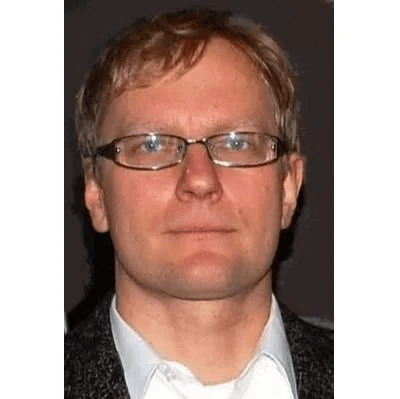
Prof. Janis Alnis
Collaborator; Atomic Physics and Spectroscopy
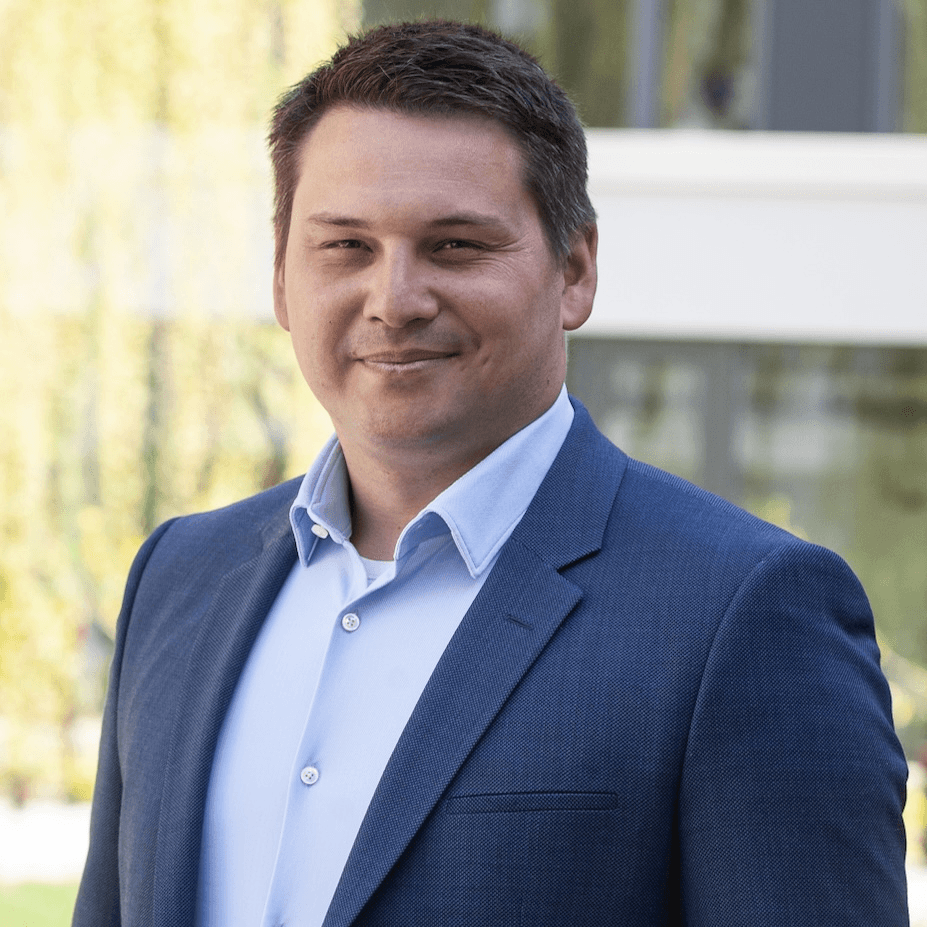
Prof. Toms Salgals
Collaborator; Computer Science
Maisan Hindawi
LNMI Undergraduate Student
Ameen Masri
LNMI Undergraduate Student
Darin Yassin
LNMI Undergraduate Student
Mohammad Azaiza
LNMI Undergraduate Student
Mario Ashqar
LNMI Undergraduate Student
Afo Nasrawi
LNMI Undergraduate Student
Hadi Balous
LNMI Undergraduate Student
Bar Gendles
LNMI Undergraduate Student
Partners
Partnerships include the Ministry of Innovation, Science and Technology, Tel Aviv University (academic sponsorship), local authorities in the Triangle region, and industry collaborators such as Fabricomm. Public activity records also show collaboration touchpoints with institutions such as Bar-Ilan University, the Ministry of Agriculture, and the Davidson Institute.



Facilities
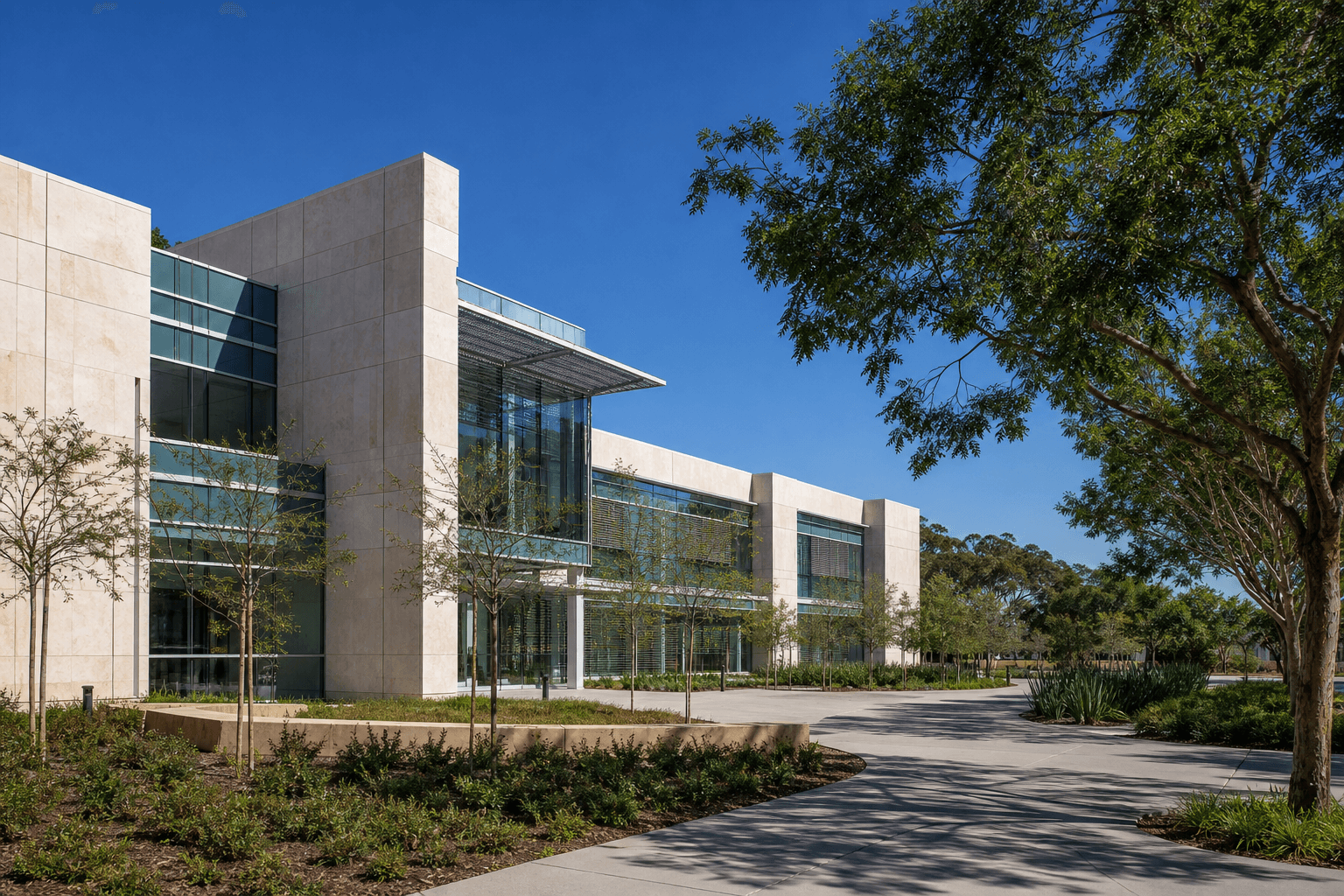
Facilities include multidisciplinary labs, LNMI research environments, education-focused spaces such as the Science Garden, and collaborative work settings supporting experimentation, training, and pilot-scale validation.
Reports
Periodic reporting includes scientific and community activity documentation; the 2025 report is used as a primary validation source for management roles, collaboration context, and personnel positioning where public-site wording differs.